Sedation Dentistry
If you have been delaying dental care because of fear or embarrassment, Dental TLC has a solution for you. Sedation dentistry!
If you’re visiting a new dentist for the first time, it’s completely normal to feel unsure about what to expect. At Dental TLC, we’re here to make your experience comfortable, welcoming, and stress-free from the moment you walk through the door.
As a trusted dentist in Sandy Springs, Georgia, we focus on creating a positive first visit that sets the foundation for your long-term oral health.
From the moment you arrive, our friendly team will greet you and help you get checked in. If you haven’t completed your new patient forms ahead of time, we’ll guide you through everything and answer any questions you may have.
We take pride in creating a relaxed, judgment-free environment, especially for patients who may feel nervous or haven’t been to the dentist in a while.
Your first visit isn’t just about your teeth, it’s about you.
We’ll take time to review your:
Whether you’re interested in maintaining your oral health, improving your smile, or addressing a specific issue, we’ll tailor your care to your needs.
During your first visit, we’ll perform a thorough dental exam to get a complete picture of your oral health. This may include:
This comprehensive approach helps us detect issues early and prevent more complex problems down the road.
We will take digital X-rays to see what’s happening beneath the surface. These images help us identify issues that aren’t visible during a visual exam, such as:
Digital X-rays are quick, safe, and use minimal radiation.
While many first visits include a professional dental cleaning, this is not always guaranteed.
Before any cleaning is performed, our clinical team will complete a comprehensive exam and assess your oral health. This allows us to determine the type of cleaning that’s best for you.
If your gums are healthy, we may proceed with a routine cleaning during your visit. However, if there are signs of gum disease or other concerns, we may recommend a different type of treatment, such as a deeper cleaning, at a future appointment.
Our priority is to provide the right care for your specific needs, not a one-size-fits-all approach.
After your exam and cleaning, we’ll walk you through your results and discuss any recommended treatment.
You’ll receive:
Our goal is to help you feel informed and confident about your care.
We understand that first visits can feel overwhelming, especially if you have dental anxiety. That’s why we focus on your comfort every step of the way.
At Dental TLC, we offer:
We move at your pace and make sure you feel at ease throughout your visit.
To make your appointment as smooth as possible, we recommend:
Your first dental visit is an important step toward maintaining a healthy smile and overall wellness. At Dental TLC, we’re committed to making that experience positive, comfortable, and personalized.
If you’re looking for a welcoming family dentist in Sandy Springs, Georgia, we’d love to meet you.
📞 Call today or schedule your appointment online to get started.
Most first visits take about 90-120 minutes, depending on your needs and whether a cleaning is performed.
This depends on the clinical findings. If there are signs of gum disease or other concerns, we may recommend a treatment to stop the spread of gum infection.
Yes. Digital X-rays use very low levels of radiation and are considered safe for patients of all ages.
That’s completely normal. Our team specializes in making patients feel comfortable, and we offer options like laughing gas, music, and TVs to help you relax.
Please bring your ID, insurance information, and any relevant medical history or questions you may have.
If the thought of going to the dentist makes you nervous, you’re not alone. Dental anxiety is incredibly common and for many patients, it can prevent them from getting the care they need.
At Dental TLC, we understand that comfort matters just as much as clinical care. As a trusted dentist in Sandy Springs, Georgia, our goal is to make every visit as relaxing, stress-free, and positive as possible.
If you’ve been putting off your appointment, here’s how modern dentistry is changing the experience.
Dental anxiety can range from mild nervousness to severe fear of dental visits. It may come from:
A past negative experience
Fear of pain
Feeling out of control
Sensitivity to sounds or smells
Embarrassment about oral health
No matter the reason, your feelings are valid and we’re here to help.
Avoiding the dentist can lead to bigger problems over time, including:
Cavities and tooth decay
Gum disease
Tooth pain or infection
More complex (and costly) treatments later
The good news? With the right dental team, your experience can be completely different than what you expect.
At Dental TLC, we take a patient-first approach to care. That means creating an environment where you feel heard, respected, and at ease from the moment you walk in.
Here are some of the ways we help reduce dental anxiety:
We take time to explain every step of your visit so there are no surprises. You’re always in control, and we’ll check in throughout your appointment to make sure you’re comfortable.
We offer complimentary laughing gas (nitrous oxide) to help you feel calm and at ease during your visit. It’s safe, effective, and wears off quickly so you can leave your appointment feeling relaxed and clear-headed.
We play music throughout your visit to create a more calming, enjoyable atmosphere. This helps take the focus off treatment and puts you more at ease.
Each treatment room is equipped with TVs so you can watch your favorite shows or simply have a distraction during your appointment. It’s a small touch that makes a big difference in helping patients feel more relaxed.
From our friendly team to a relaxed office atmosphere, everything is designed to help you feel at ease, not rushed or overwhelmed.
We give you the time you need. Whether it’s your first visit in years or you just need extra reassurance, we move at your pace.
Regular dental cleanings and exams in Sandy Springs help prevent larger issues—meaning shorter, simpler, and more comfortable appointments over time.
If you’re feeling nervous, here are a few simple ways to prepare:
Schedule your appointment at a low-stress time of day
Bring headphones or listen to music
Practice deep breathing before and during your visit
Let our team know about your concerns, we’re here to help
One of the biggest fears patients have is feeling embarrassed about their teeth. At Dental TLC, there is zero judgment, only support.
Whether it’s been six months or six years, we’re just happy you’re taking a step toward better health.
Dental visits don’t have to be stressful. With the right environment and support, they can be calm, comfortable, and even enjoyable.
If you’re looking for a compassionate family dentist in Sandy Springs, Georgia, Dental TLC is here to help you feel at ease every step of the way with thoughtful touches like free laughing gas, music, and TVs to make your visit better.
📞 Call today or schedule your appointment online, we’ll take great care of you.
Yes. Many patients experience some level of anxiety about dental visits, ranging from mild nerves to more severe fear.
A good dental team will communicate clearly, move at your pace, offer comfort options like laughing gas, and create a calm, supportive environment.
Yes. Laughing gas (nitrous oxide) helps patients feel relaxed and comfortable during treatment, and its effects wear off quickly after your visit.
That’s okay. Dentists regularly see patients who have been away for a while. You won’t be judged, only supported.
Yes. Dental TLC focuses on patient comfort, offering gentle care, free laughing gas, and a stress-free experience for every visit.
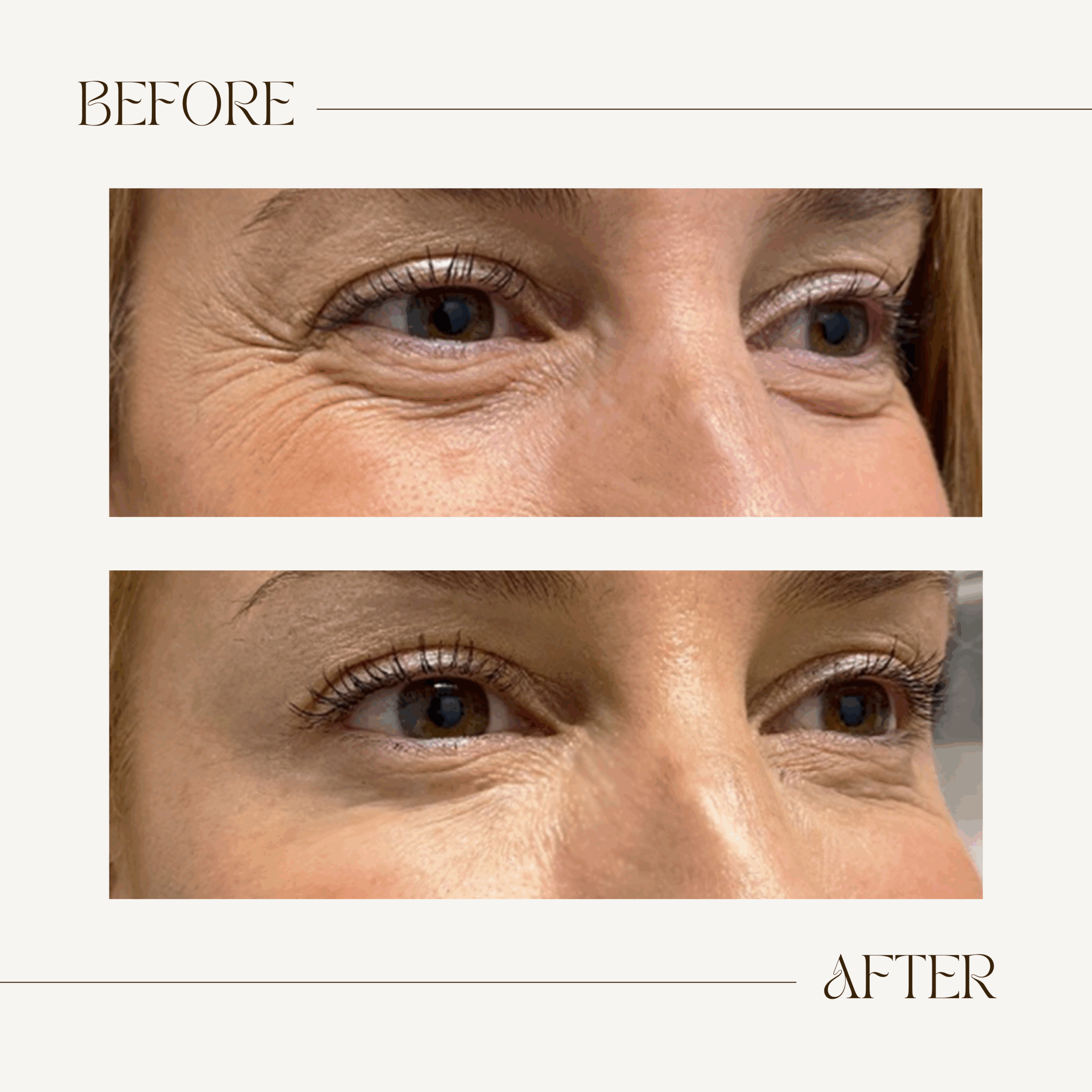
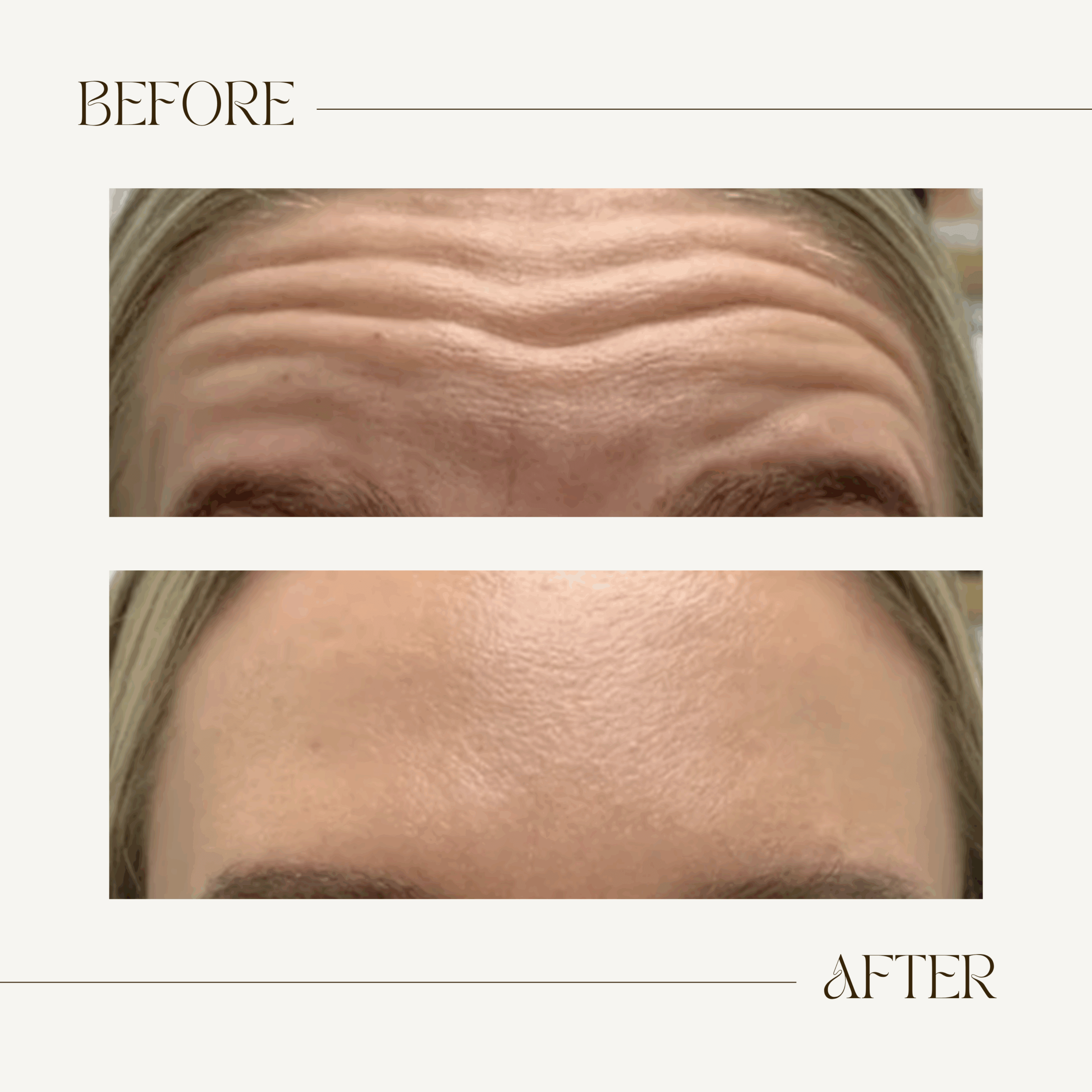
Botox isn’t just for smoothing wrinkles, it’s also a powerful treatment for jaw pain, teeth grinding, and TMJ discomfort.
At Dental TLC, we offer Botox in Sandy Springs, Georgia for both cosmetic enhancement and therapeutic relief. Whether you want a refreshed appearance or relief from chronic jaw tension, Botox can provide safe, effective results.
Let’s break down how it works and why more dental patients are choosing it.
Botox is a neurotoxin derived from the bacterium Clostridium botulinum. When injected in minute doses, it temporarily paralyzes muscles by blocking nerve signals- which can soften facial lines and relieve muscle tension.
Because dentists are highly trained in facial anatomy, Botox is a natural extension of modern dental care and a great place to receive this service.
Many patients choose Botox to:
Soften forehead lines
Reduce frown lines (“11” lines)
Smooth crow’s feet
Create a subtle brow lift
Slim the jawline
Reduce a “gummy smile”
Results typically appear within 3–7 days and last about 3–4 months.
Botox provides a refreshed, natural look — not a frozen one — when performed conservatively and skillfully.
Botox is also highly effective for treating:
TMJ disorders
Jaw clenching
Teeth grinding (bruxism)
Chronic headaches
Facial muscle tension
By relaxing overactive jaw muscles, Botox reduces pressure on the temporomandibular joint (TMJ), easing discomfort and preventing further wear on teeth.
Many patients notice:
Reduced jaw soreness
Fewer headaches
Less tension in the face and neck
Improved comfort when chewing
TMJ stands for temporomandibular joint — the hinge that connects your jaw to your skull. When the surrounding muscles become overactive or inflamed, it can cause:
Jaw clicking or popping
Facial pain
Headaches
Ear pain
Difficulty opening or closing the mouth
Botox helps calm the muscles contributing to that tension.
Yes — when administered by a trained professional.
At Dental TLC, Botox treatments are performed with precision and a conservative approach. The procedure takes about 10–15 minutes, with minimal discomfort.
Results typically last 3–4 months
TMJ patients may notice relief for 4–6 months
Maintenance treatments help sustain results
Your treatment plan is customized based on your goals — cosmetic or therapeutic.
Dentists have extensive training in facial muscles, jaw structure, and bite alignment. This makes them uniquely qualified to treat both aesthetic concerns and TMJ-related discomfort.
If you’re looking for Botox in Sandy Springs, Georgia, Dental TLC offers a safe, comfortable environment with a team that understands both function and facial balance.
Most patients describe the injections as quick and tolerable, similar to a small pinch.
Some patients feel relief within a few days, with full results in about 1–2 weeks.
Yes. When performed conservatively, Botox softens lines while maintaining natural facial expression.
Yes. Botox can reduce the intensity of clenching and grinding by relaxing overactive jaw muscles.
Most patients return every 3–4 months for maintenance.
Whether you’re looking to refresh your appearance or find relief from TMJ pain, Botox offers a safe and effective solution.
If you’re searching for cosmetic Botox or TMJ treatment in Sandy Springs, our team at Dental TLC is here to help you feel confident and comfortable.
📞 Call or text us at (404) 255-2273 today to schedule your Botox consultation.

When most people think about visiting the dentist, they think about cavities, cleanings, or having a healthy smile. But your oral health is deeply connected to your overall health, and even your long-term wellness.
At Dental TLC, your trusted dentist in Sandy Springs, Georgia, we believe preventive dentistry is about more than teeth. It’s about caring for your whole body. Understanding the mouth-body connection can help you protect not just your smile, but your overall health.
Your mouth is home to millions of bacteria. When your teeth and gums are healthy, these bacteria stay under control. When oral health is neglected, harmful bacteria can grow and enter the bloodstream through inflamed or bleeding gums.
This can cause chronic inflammation, which has been linked to heart disease, diabetes complications, cognitive decline, and other systemic health issues.
Research shows a strong connection between gum disease and heart disease. Periodontal disease may contribute to inflammation in the blood vessels, increasing the risk of heart attack and stroke.
Regular dental cleanings and exams at Dental TLC in Sandy Springs help reduce inflammation, protect your gums, and support better heart health.
Emerging studies suggest a link between poor oral health and neurological conditions such as Alzheimer’s disease and dementia. Certain bacteria associated with gum disease have been found in patients experiencing cognitive decline.
While research continues, maintaining good oral hygiene and routine dental visits is a proactive way to support long-term brain health.
Diabetes and gum disease are closely connected. People with diabetes are more likely to develop periodontal disease, and untreated gum disease can make blood sugar levels harder to control.
Preventive dentistry plays an important role in managing overall health, especially for patients living with diabetes.
Gum disease is one of the most common sources of chronic inflammation in the body, and many people don’t realize they have it. Symptoms like bleeding gums, persistent bad breath, gum tenderness, or gum recession should never be ignored.
Seeing a family dentist in Sandy Springs for regular preventive care helps stop inflammation before it leads to more serious health problems.
Studies suggest that people who maintain their natural teeth longer often enjoy better overall health and quality of life. Tooth loss can affect nutrition, digestion, speech, and confidence.
Protecting your teeth supports healthy eating habits and long-term wellness, two key factors in longevity.
Simple daily habits make a big difference:
Brush twice daily with fluoride toothpaste
Floss every day
Schedule regular dental cleanings and exams
Treat gum disease early
Don’t ignore bleeding gums or chronic bad breath
At Dental TLC, we provide personalized preventive dentistry in Sandy Springs designed to support your oral and overall health.
Your oral health is directly connected to your heart, brain, immune system, and overall well-being. Investing in preventive dental care is an investment in your long-term health.
If you’re looking for a caring, experienced dentist in Sandy Springs, Georgia, our team at Dental TLC is here to help you take the next step toward a healthier smile, and a healthier life.
📞 Call Dental TLC today or schedule your appointment online.
Oral health affects overall health because bacteria and inflammation in the mouth can enter the bloodstream. Poor oral health has been linked to heart disease, diabetes complications, and other systemic conditions.
Yes. Gum disease is associated with increased inflammation, which may raise the risk of heart attack and stroke.
Most patients should visit the dentist every six months. Some patients may need more frequent cleanings based on their oral health and medical history.
Bleeding gums, bad breath, gum tenderness, and gum recession are common early signs of gum disease.
Yes. Dental TLC offers preventive dental care in Sandy Springs, including cleanings, exams, digital X-rays, and personalized treatment plans.
Absolutely. Regular dental visits help reduce inflammation, detect issues early, and support long-term oral and overall health.
Did you know that if you need a periodontal tooth cleaning that having a regular cleaning could actually be a disservice to the health of your teeth and gums? Yes that’s right! Many patients have questions about the difference in teeth cleaning treatments and today we are here to discuss the differences in these types of cleanings.
There are 3 types of cleanings, depending on how healthy your gums are. The term gum disease—or periodontal disease—describes bacterial growth that gradually destroy the tissue surrounding and supporting the teeth. X-rays give a clear view of any bone loss and tartar under the gum line.
“Periodontal” means “around the tooth” and hygiene probing measures the seal around the neck of each tooth. When you hear the hygienist calling out numbers during gum measurements, low numbers are the best. If the numbers are under 4, you will need a regular cleaning. If the numbers are 4 or above, then a deep cleaning may be required.
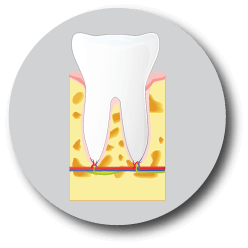
Gums are healthy. The regular cleaning removes tartar, stain and plaque from the enamel above the gum line.
Healthy gums appear pink, they do not bleed and they hug each tooth tightly. Shallow pocket depths are measured when probed. Normal is between 1 millimeter to 3 millimeters. No tartar or bone loss is detected on the X-rays and gums do not bleed!
Routine dental cleanings are recommended twice a year to keep your gums and teeth in a healthy condition. Gum disease is fast progressing and just because your gums are healthy doesn’t mean you should take them for granted.
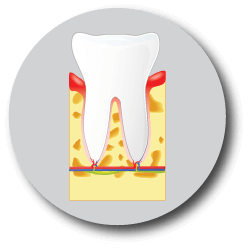
If bleeding and inflammation are present, your gums have the early signs of periodontal disease. A gingivitis cleaning removes tartar, plaque and stain and deep tartar incrusted deep below the gum line. This takes more time than a regular cleaning.
Diseased gums easily bleed when probed because of infection and inflammation. They appear red and puffy and their pocket measurements are deeper. Pockets that measure 3 millimeters to 5 millimeters indicate signs of disease.
X-rays detect deep tartar under the gum line at the neck of the tooth, but the bone crests are still intact. Gums can return to a healthy state with frequent regular cleanings and consistent home care.
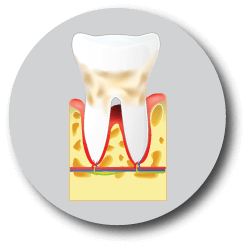
Here your gums are forever in a diseased state, but still manageable. This cleaning removes deep tartar incrusted on exposed roots, as well as infected and inflamed bone and gum tissue. Anesthetics are used for comfort. Sensitivity occurs because exposed root is porous and no longer insulated by the dome of enamel. Diseased bone bleeds easily, pus is visible and root surfaces are exposed because of the receding gum and bone tissue. X-rays show bone loss advancing and deep tartar encrusted on the exposed roots.
Routine visits to the dentist may be recommended more often than twice per year. Dentist approved plaque-removal devices, such as special toothbrushes, toothpicks or water irrigation tools can improve your at home care. Prescribed anti-plaque, anti-tartar toothpastes and rinses can also help and maintain a healthy mouth.

Scaling: The removal of tartar and bacteria from teeth and beneath gums. This is usually done in a standard professional teeth cleaning.
Root planing: Smoothing the root surfaces to discourage further buildup of tartar and bacterial toxins.
Antibiotics: May include topical antibiotics like mouth rinses and gels, or oral antibiotics.
Flap surgery (pocket reduction surgery): Lifting back gum tissue, exposing the roots for more effective scaling and root planing. The underlying bone may be recontoured so that it will be easier to clean the area around the gums.
Soft tissue grafts: This reinforces soft tissue lost to gum recession. A small amount of tissue from the roof of the mouth is relocated to the gum line in order to reduce further gum loss, cover exposed roots and improve appearance.
Bone grafting: This is done when the bone around the tooth root has been destroyed and helps prevent tooth loss by holding the tooth in place. It also promotes bone regrowth.
Guided tissue regeneration: This promotes regrowth of bone through the use of a biocompatible fabric being placed between the bone and tooth. The material prevents unwanted tissue from growing so that the bone can grow back.
Enamel matrix derivative application: This procedure, another form of guided tissue regeneration, involves the application of gel to a diseased tooth root. The gel contains the same proteins that naturally exist in developing tooth enamel. Its application stimulates healthy bone and tissue growth.
Periodontal disease is something you have to monitor your whole life, kind of like your blood pressure. You can reverse gum disease in it’s early stages, but once the gum detaches, bone is lost and/or the root surface is exposed, you can only treat it to decrease further deterioration. Call Dental TLC at (404) 255-2273 today and schedule your next dental cleaning. It’s our priority to give you the appropriate cleaning to maintain healthy gums and teeth!