Botox & Injectables Art of Injectables at Dental TLC: TMJ Therapy, wrinkles, and filler
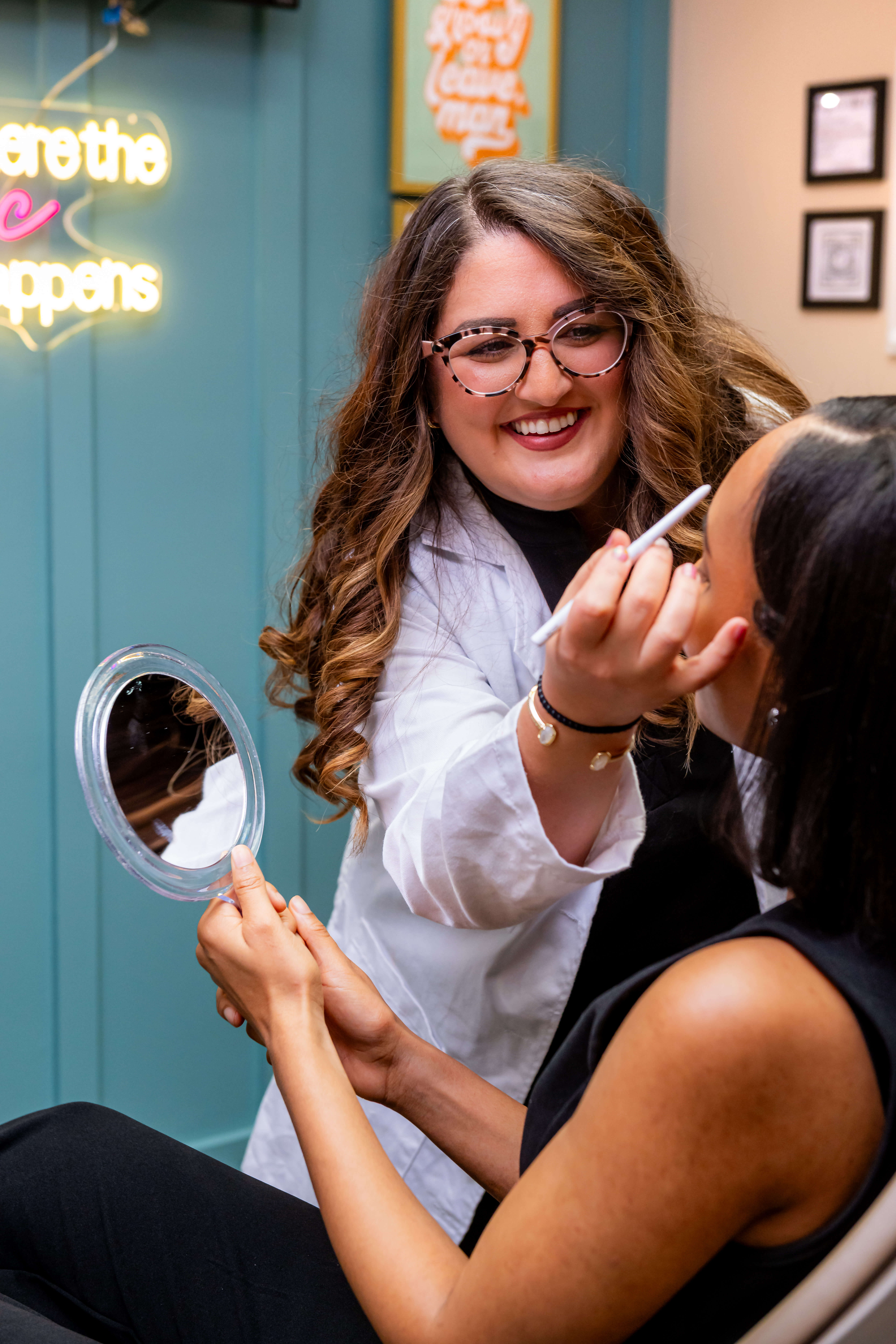
We offer Botox at our Sandy Springs, GA practice for two purposes: TMJ therapy and cosmetic treatment. Botox is a neuromodulator that temporarily relaxes overactive muscles; we use it to help relieve pain and address symptoms of TMJ disorder, including jaw tension and teeth grinding. Our approach to cosmetic Botox is minimalist, aiming for natural results, and treatment is administered by our doctors.
TMJ Therapy
Botox, a neuromodulator, alleviates pain by targeting overactive muscles. The neuromodulator works by blocking nerves from releasing inflammatory substances while also deactivating the nerve endings that cause involuntary jaw contractions- often triggered by stress or sleep.
By temporarily relaxing the muscles, Botox helps relieve pain and address symptoms of TMJ disorder, which includes headaches, jaw/temple tension, neck stiffness, teeth grinding/clenching, and facial asymmetry.
Cosmetic
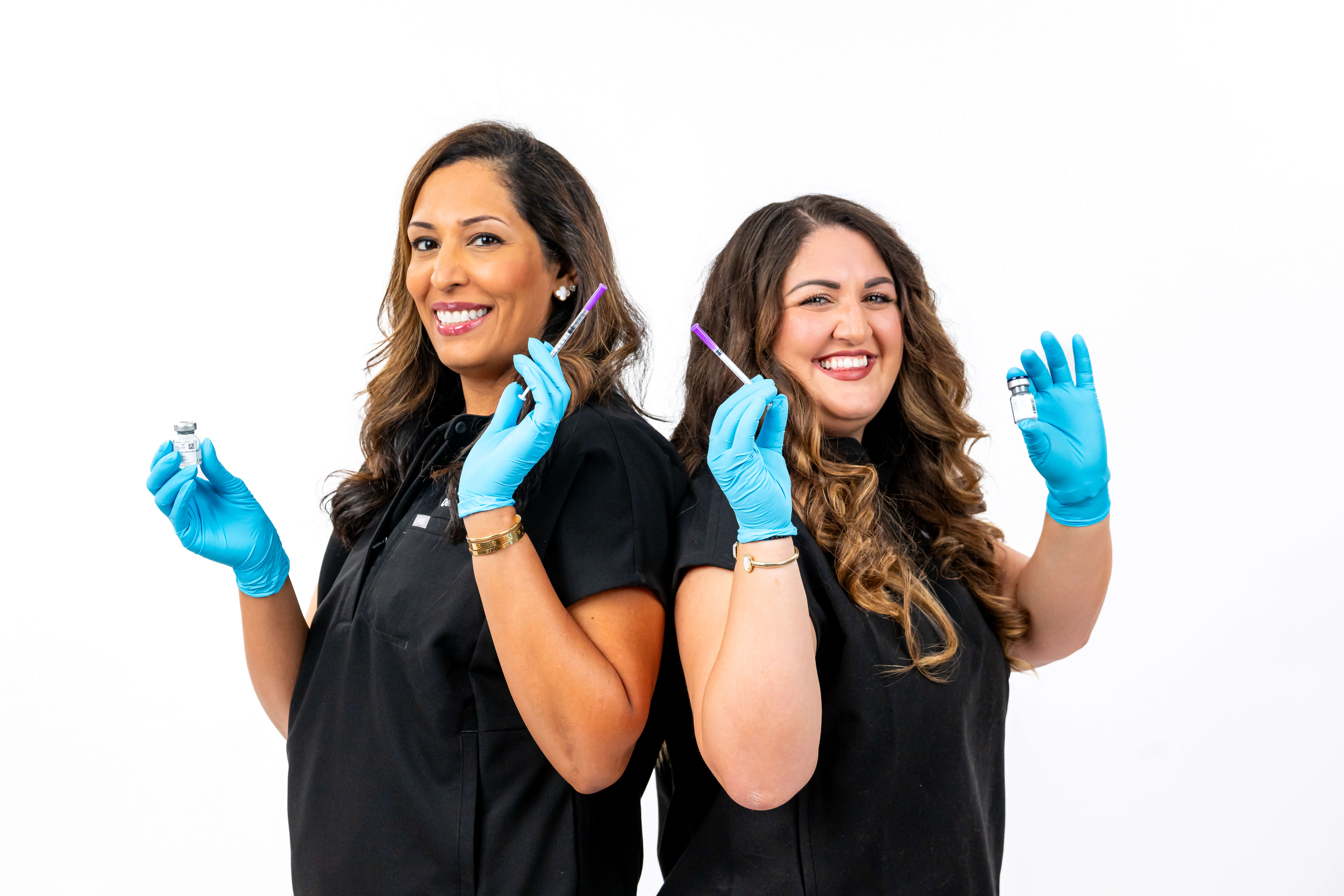
With advanced training in facial anatomy using the latest techniques, our doctors are fully equipped to deliver exceptional care. Let us show you why we’re the trusted choice for patients who seek the highest standards in esthetics.
Natural Results that are safely administered by doctors. Our approach to cosmetic Botox embraces minimalist principles to achieve beautiful, natural results. Our licensed doctors are dedicated to ensuring safe and effective treatments every time.
Top 3 Treatments:
- Masseter, Temples, & Neck: Tension in the jaw, temples, neck, and shoulders can cause soreness, migraines, and a wider jawline. Botox calms these symptoms and slims the jawline by targeting overactive muscles.
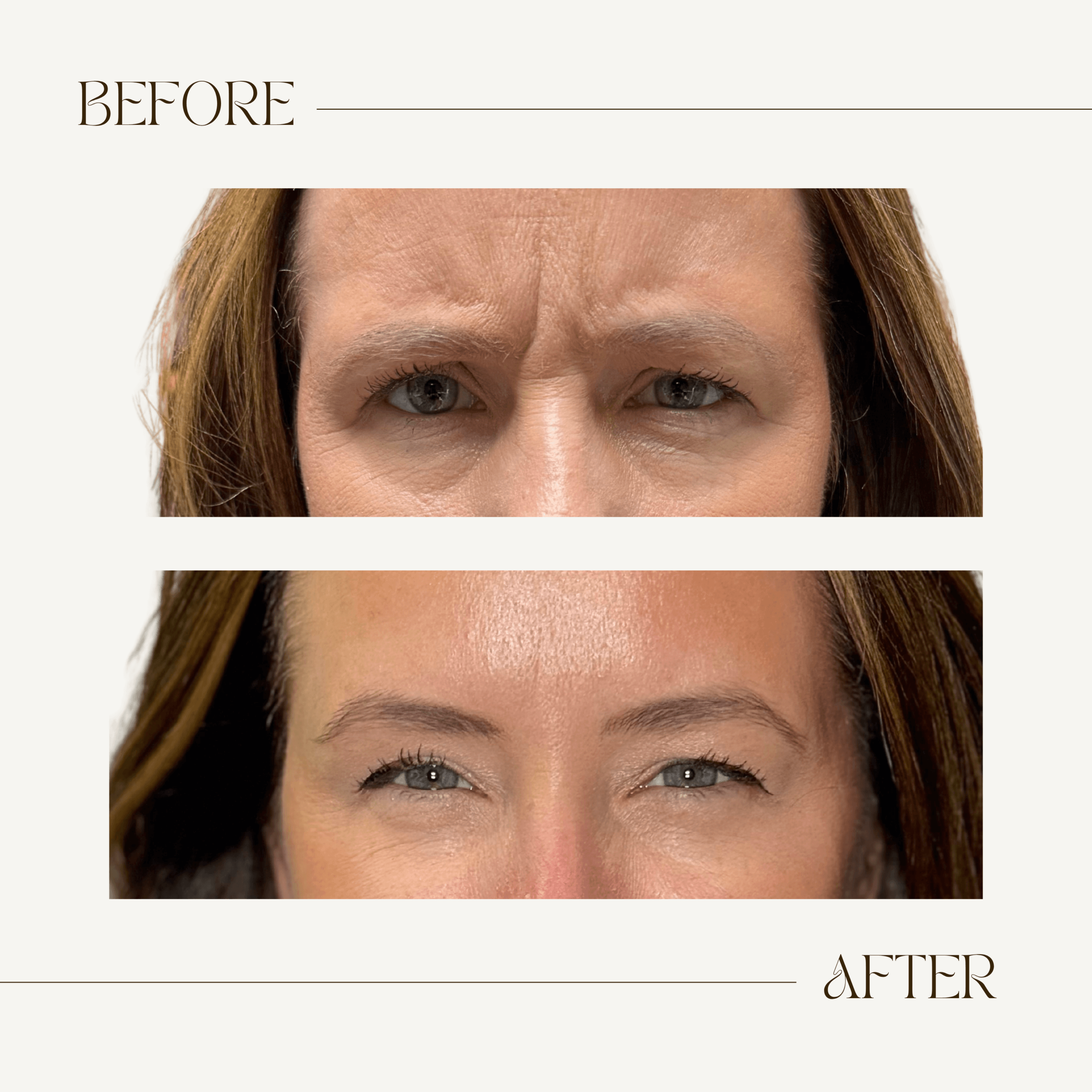
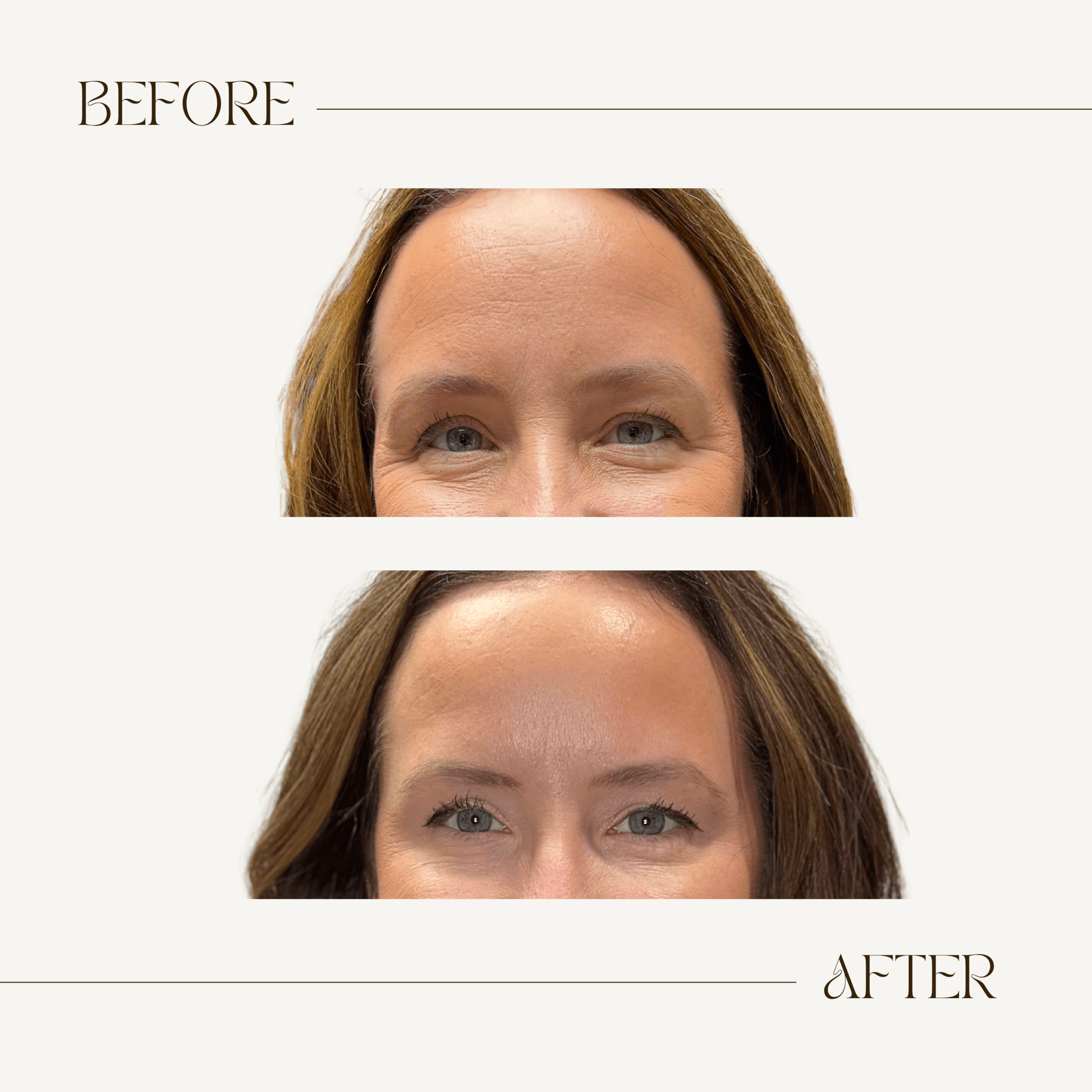
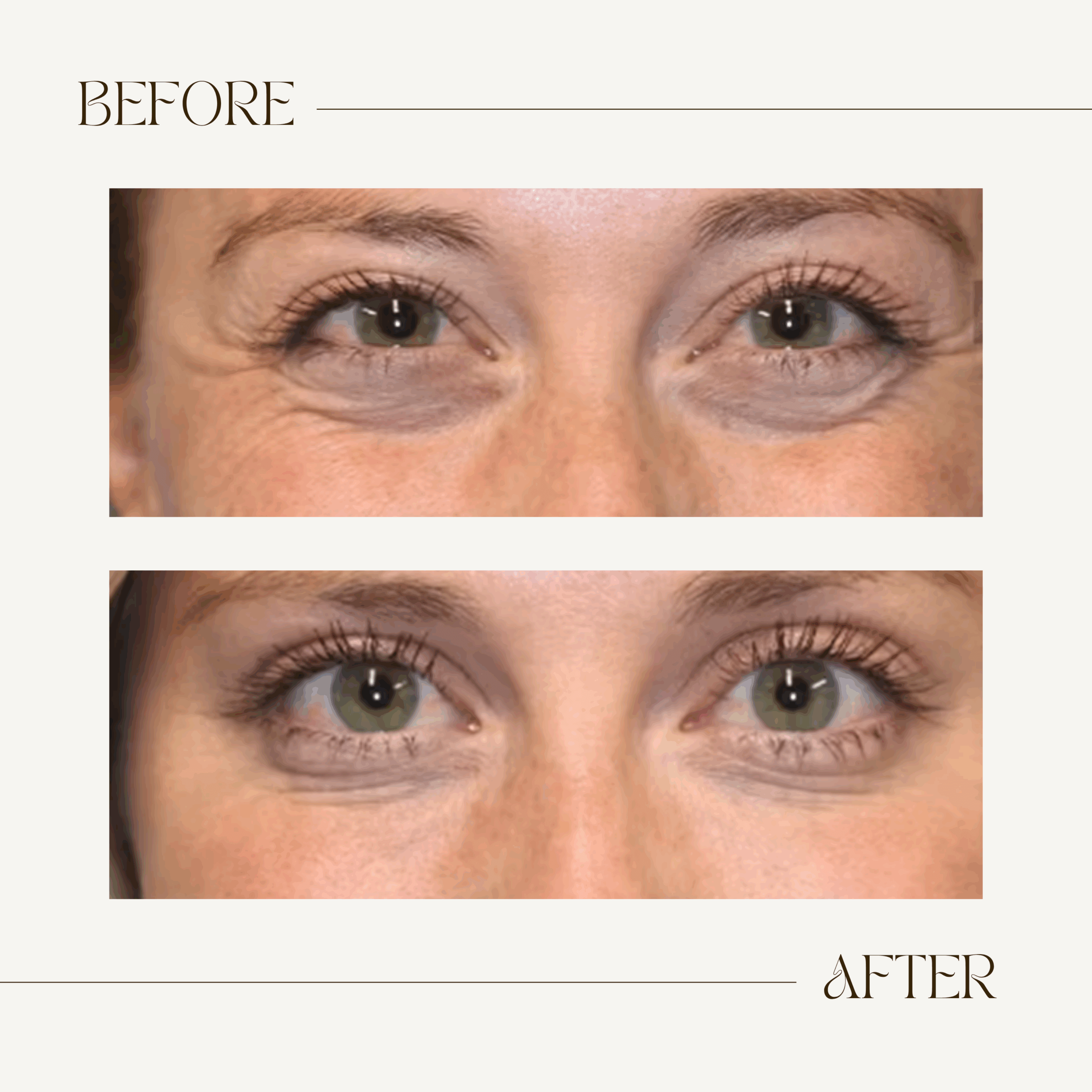
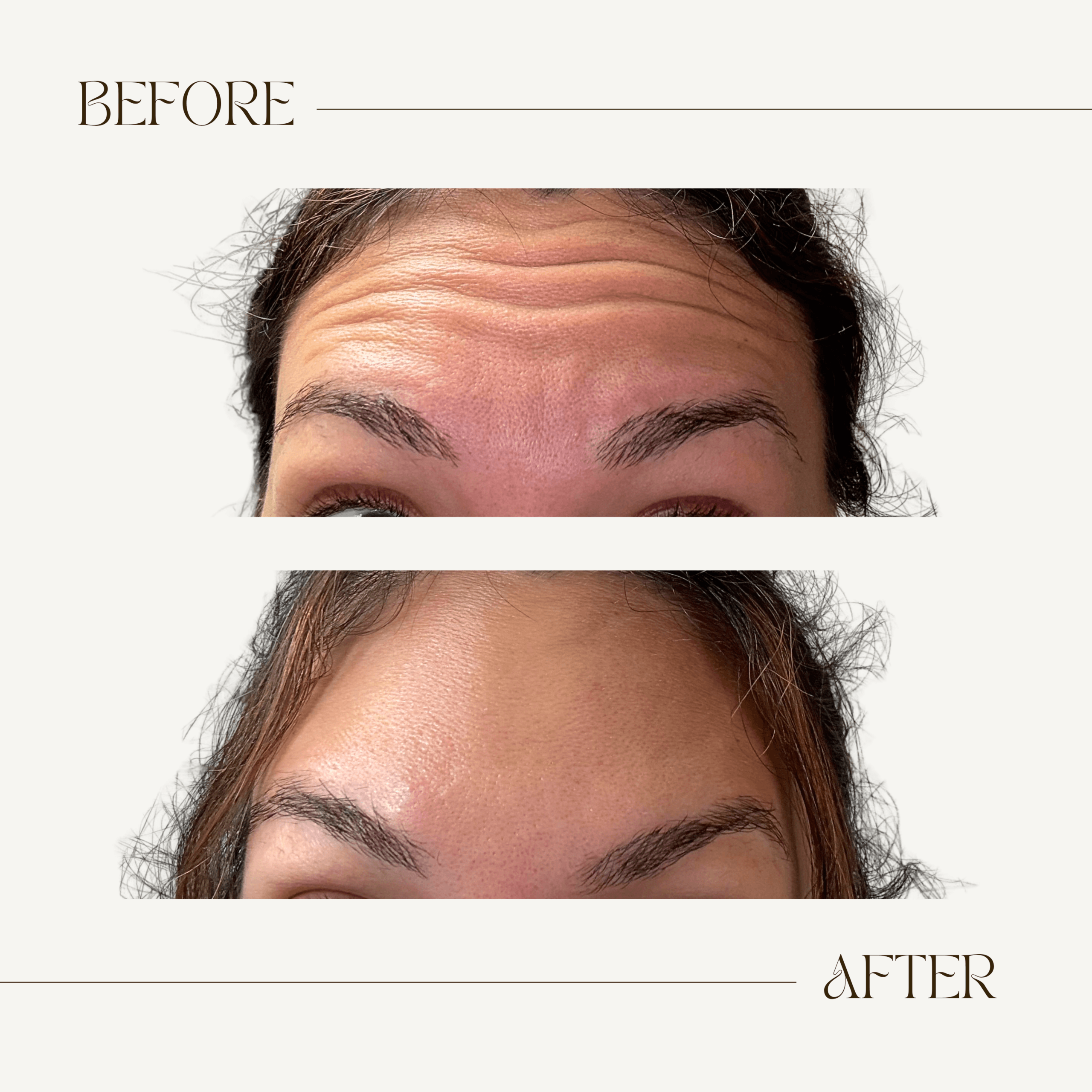
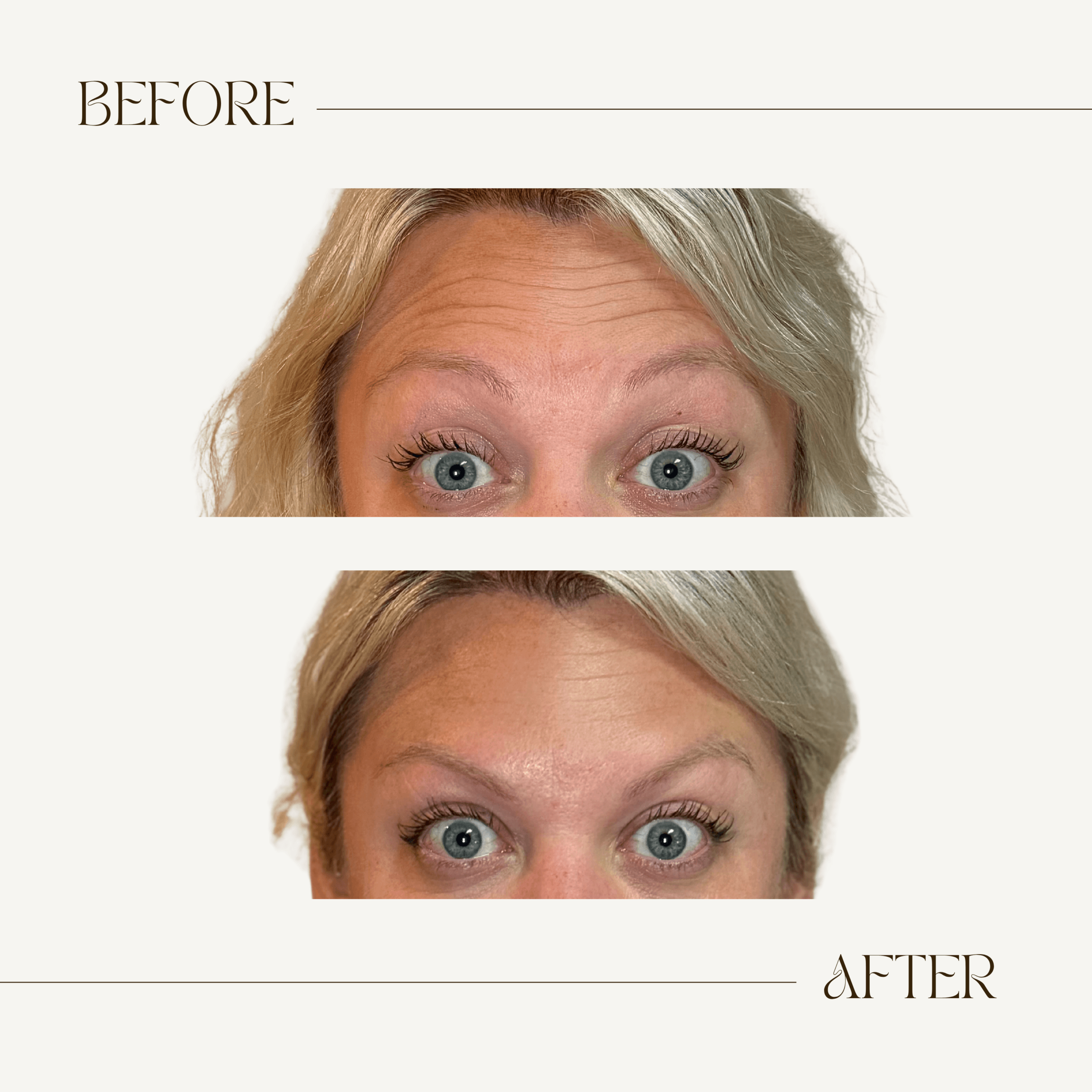
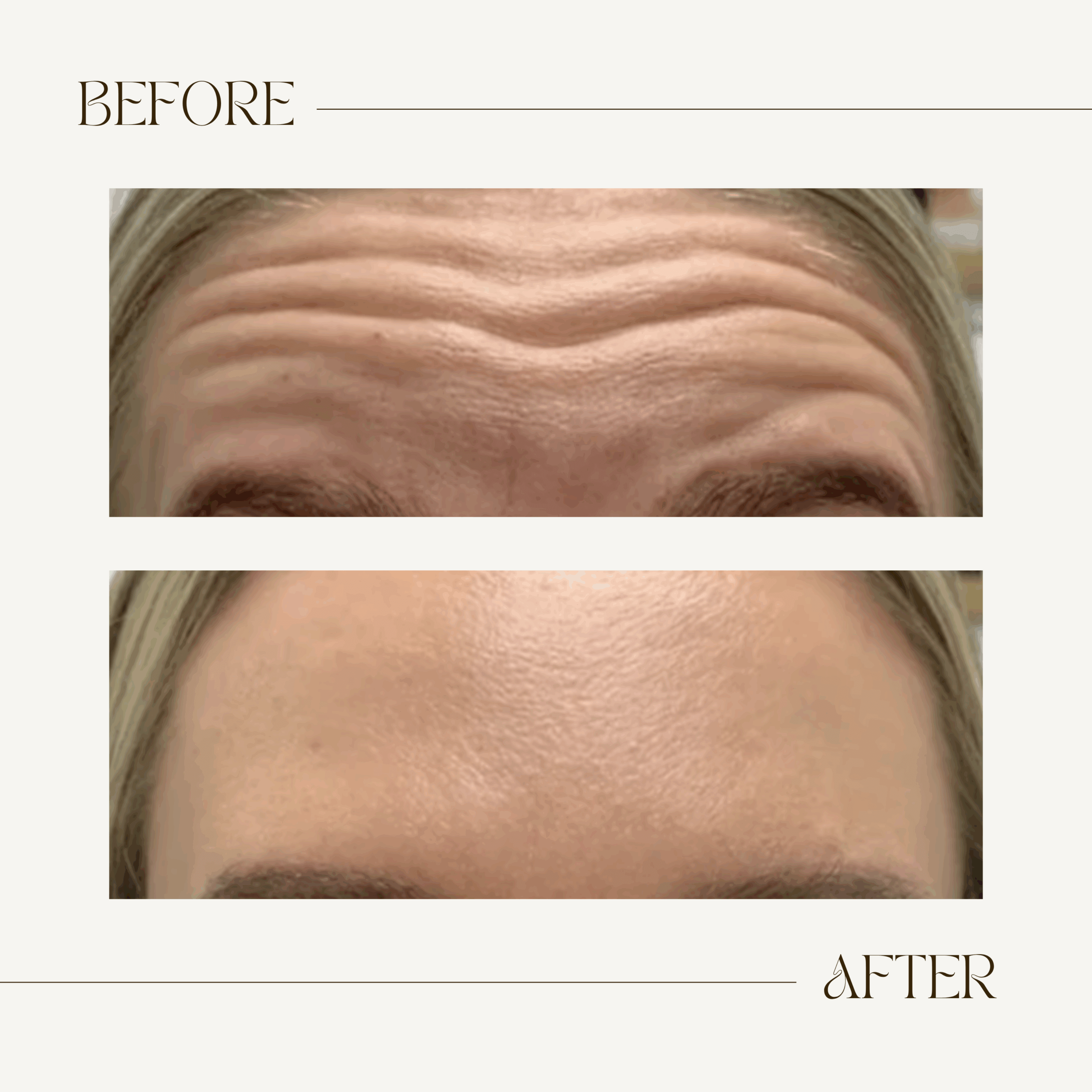
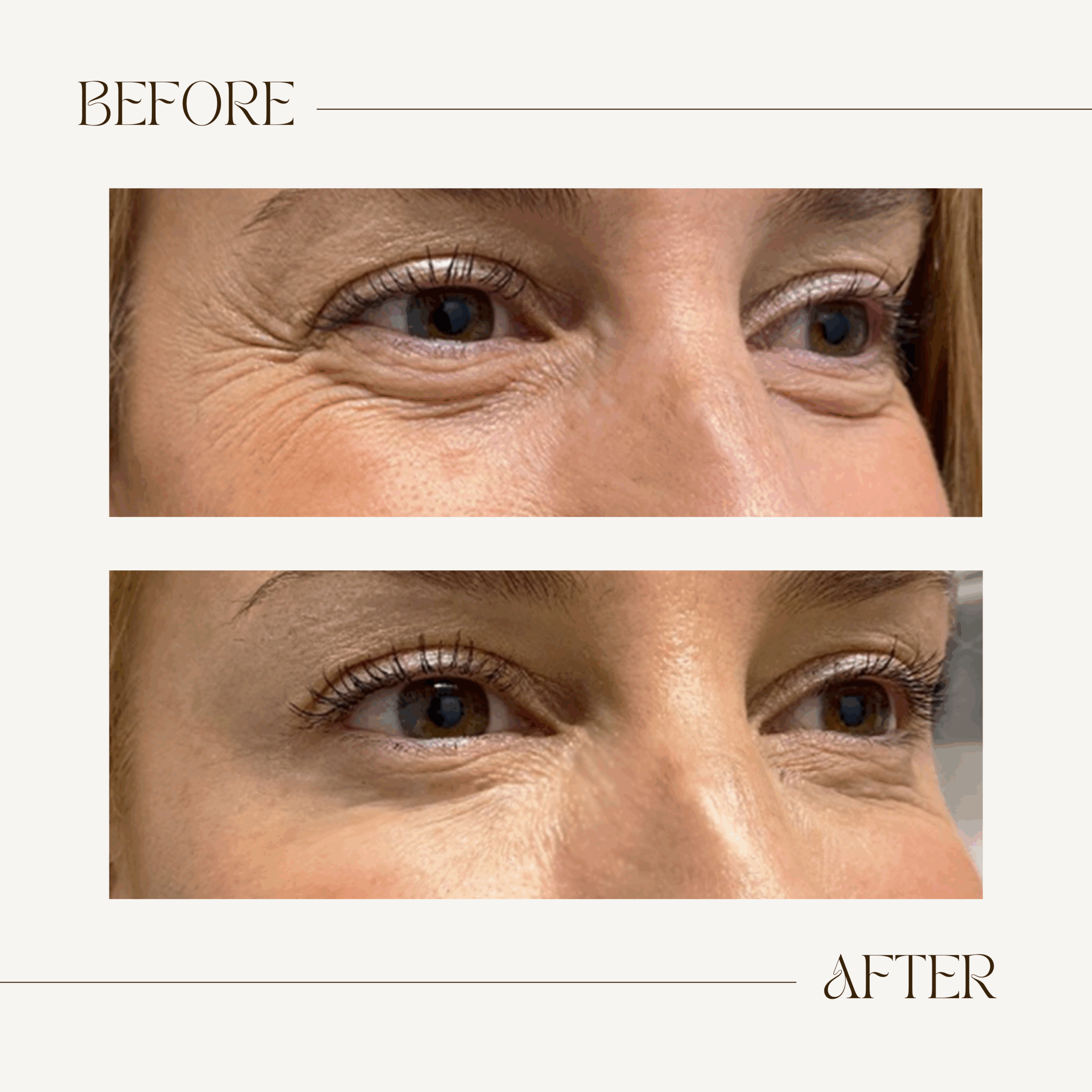
- Upper Face: The eyes and forehead are the first areas to develop lines. Botox can be precisely applied to relax wrinkles without freezing your expression.
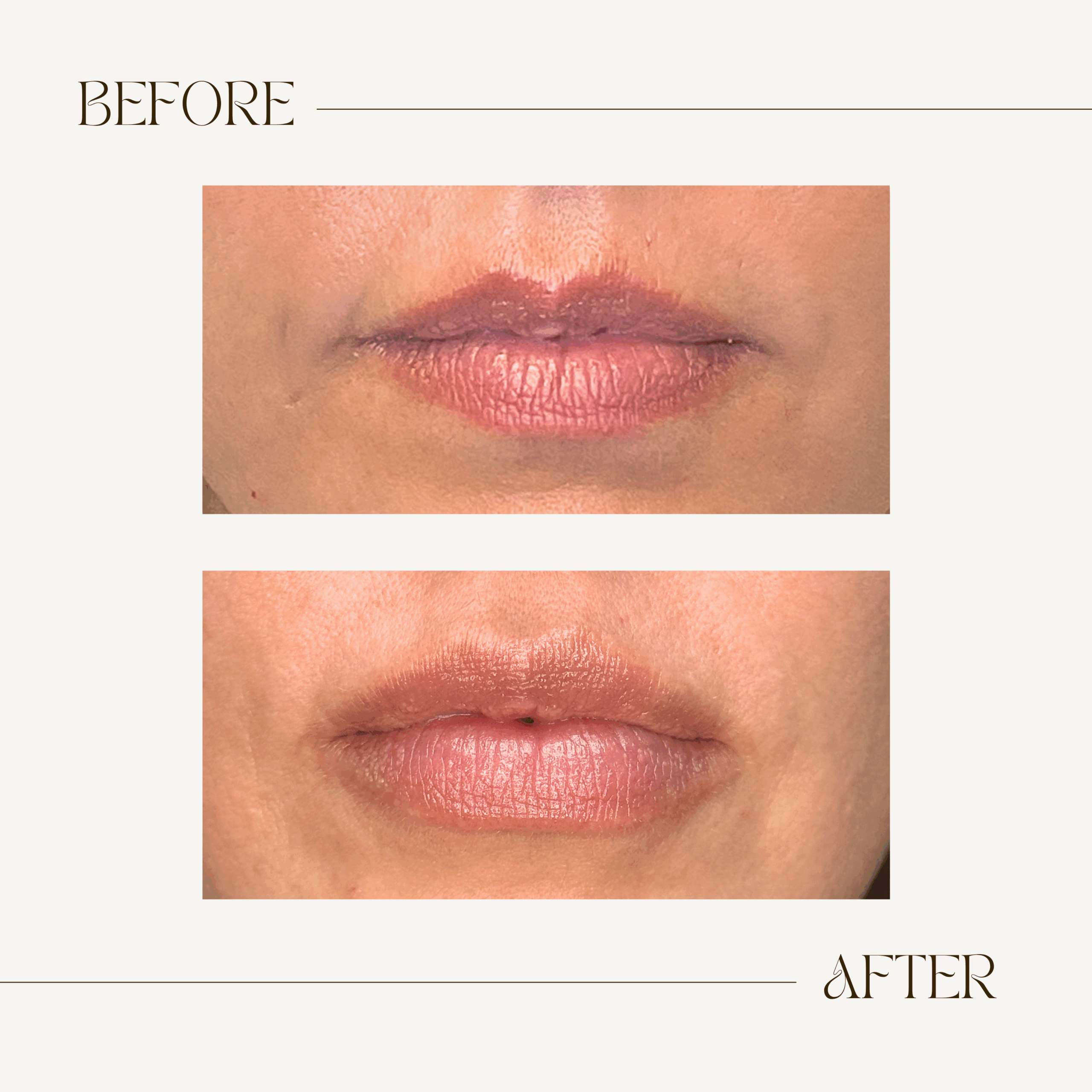
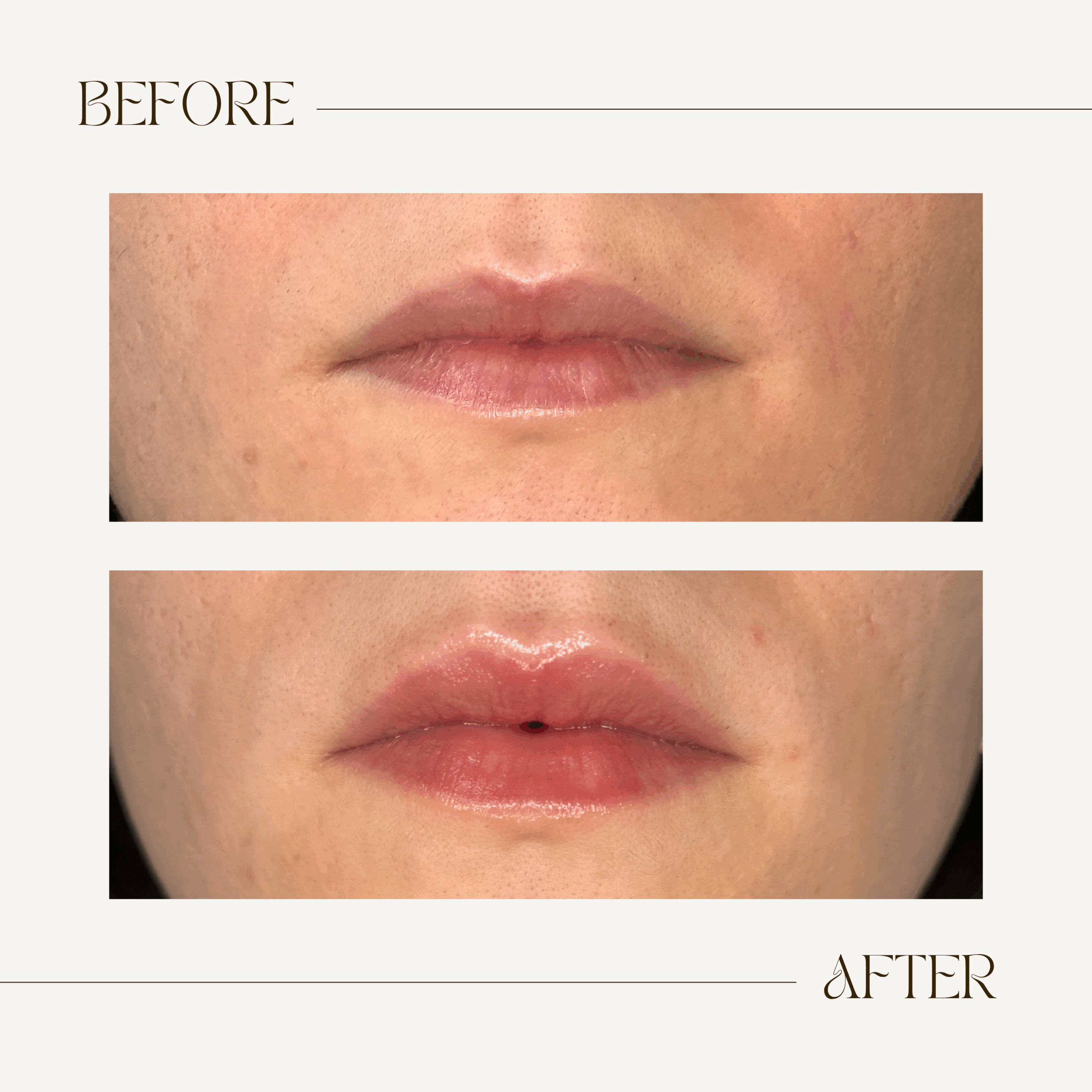
- Lips & Smile: Achieve the fuller lips you’ve always wanted, without looking overfilled. We enhance your natural shape with a subtle lift and balance for the perfect pout.
Cosmetic Botox Treatment Options: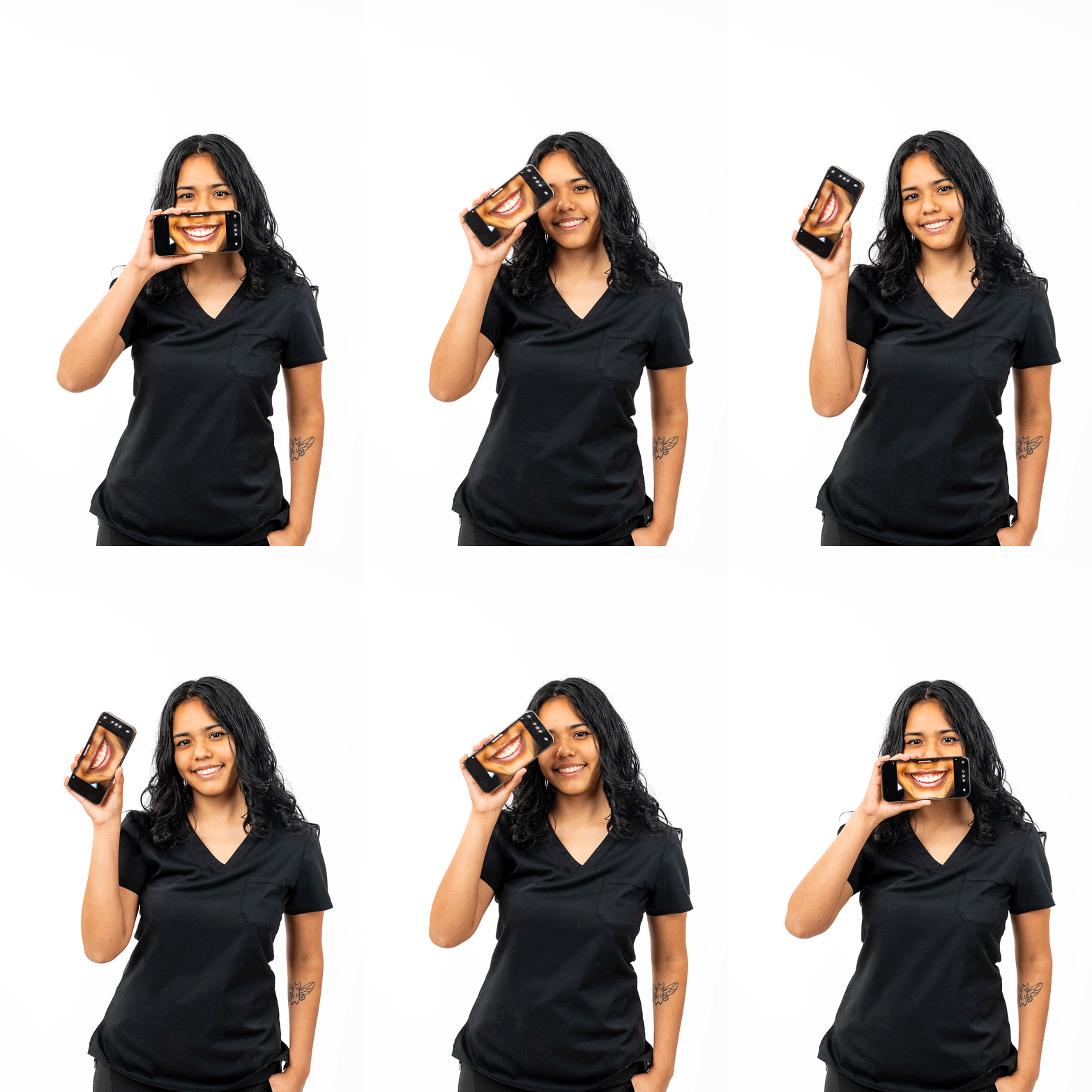
- Forehead
- Frown Lines
- Eyebrow Lift
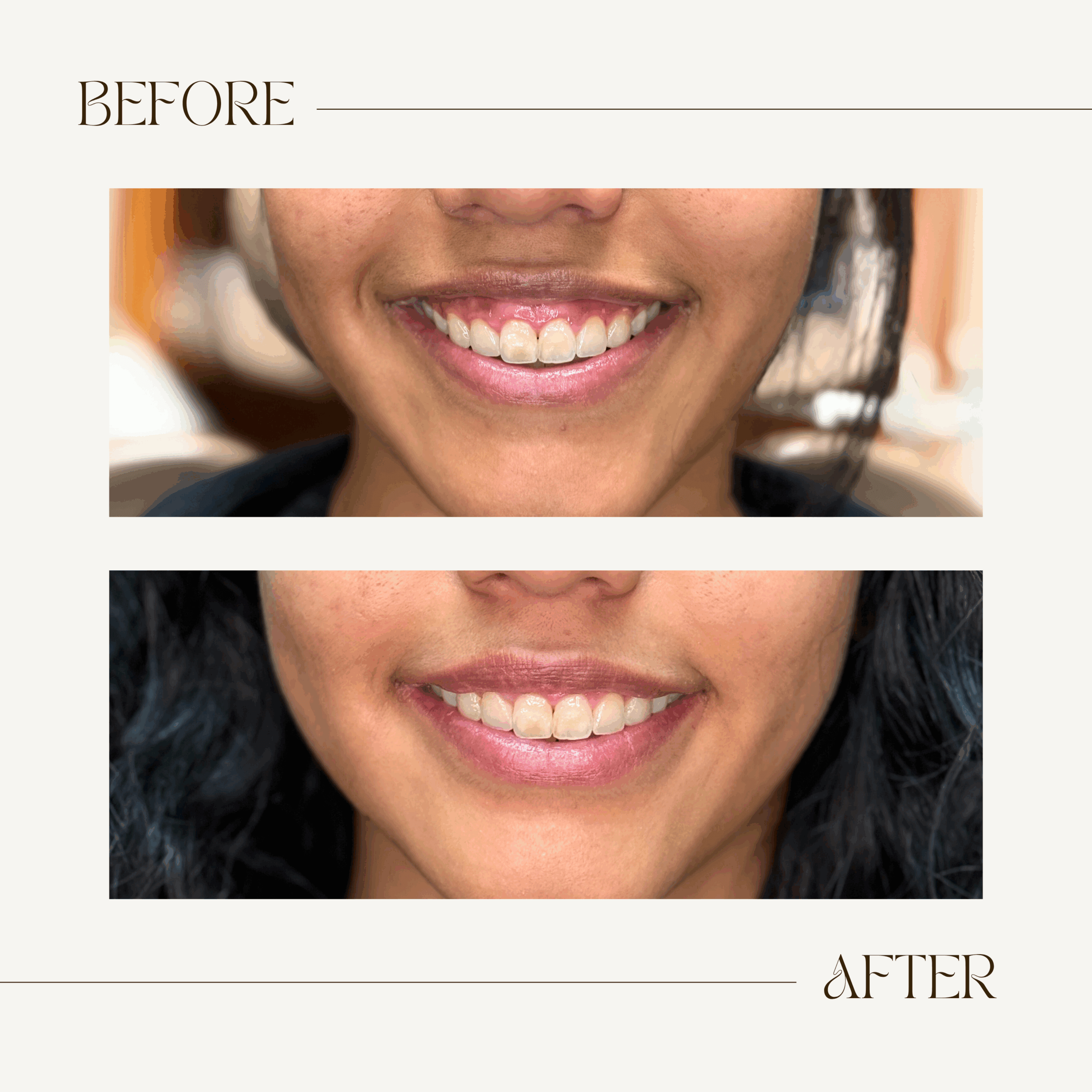
- Gummy Smile
- Crow’s Feet
- Downturned Smile
- Dimpled Chin
- Neck Bands
- Jaw Line
- Lip Flip
- Lip Lines
- Bunny Lines
- Masseter (the largest muscle in the cheeks)


Medically reviewed by Dr. Roger Abbott, DDS. Last reviewed September 20, 2026.
Frequently asked questions
Do dentists recommend Botox?
Some dental practices offer Botox and some do not, and whether it is recommended for you is a clinical judgment made after an examination rather than a general rule. We offer it in two ways. As TMJ therapy, it targets overactive jaw muscles to help relieve pain and address symptoms such as headaches, jaw and temple tension, neck stiffness, and teeth grinding and clenching. As a cosmetic treatment, it is used in areas including the forehead, frown lines, crow’s feet, the jawline and the lips. Botox is a prescription medicine, so whether it suits you — and what it involves — is discussed at a consultation.
How effective is Botox for dental procedures?
Botox is not used to carry out dental procedures such as fillings or crowns; in dentistry it is used to relax overactive muscles. At our practice that means TMJ therapy, where temporarily relaxing the jaw muscles helps relieve pain and address symptoms including headaches, jaw and temple tension, neck stiffness, and teeth grinding and clenching, alongside cosmetic treatment. The effect is temporary. How much it helps varies from person to person, so whether it is likely to help your symptoms is assessed at an examination, and your response is reviewed with your dentist afterwards rather than assumed.
What are the benefits of Botox in dentistry?
In dentistry Botox is used to relax overactive muscles, which is why it is applied to jaw problems as well as to appearance. We use it as TMJ therapy: temporarily relaxing the muscles helps relieve pain and address symptoms of TMJ disorder, which include headaches, jaw and temple tension, neck stiffness, teeth grinding and clenching, and facial asymmetry. It works by temporarily relaxing the overactive muscles behind involuntary jaw contractions, often triggered by stress or sleep. Cosmetic uses around the mouth include a gummy smile, lip lines and a downturned smile.
Why do my teeth hurt after Botox?
Botox is injected into muscle, not into a tooth, so it does not act on a tooth directly. Soreness near an injection site, or a change in how the jaw feels as those muscles relax, can be felt around the teeth. But tooth pain has its own causes, such as decay, a cracked tooth, grinding or a sinus problem, and those do not go away by being put down to the injections. Tell the clinician who treated you, and have the tooth examined so the cause is identified. If you have trouble swallowing or breathing, or weakness that is spreading, seek medical care straight away.
How much does Botox cost in Sandy Springs?
What Botox costs is worked out for your case at a consultation rather than read off a list. What moves it: which areas are being treated and how many, whether the treatment is for TMJ symptoms or cosmetic, how much product an area needs, and how often you return, since the effect is temporary. Dental insurance often does not cover cosmetic treatment, so see Insurance and Financing for what applies to your plan. The DTLC Healthy Smile Plan is our in-house membership option for patients without dental insurance; it is a dental plan, so check its terms for what it covers.
Should I get Botox from a dentist or a med spa?
Both settings offer Botox, and the choice turns on what you want treated and on the individual clinician’s training, which is worth asking about wherever you go. Dentists are highly trained in the muscles, nerves and anatomy of the face, head and jaw, so a dental practice is set up to consider Botox alongside your bite, your jaw joint and any clenching or grinding, which is particularly relevant when the concern is jaw pain or a gummy smile rather than a facial line alone. At Dental TLC, our doctors administer Botox, and we offer it for both TMJ therapy and cosmetic treatment.
What areas do dentists commonly treat with Botox?
In dentistry Botox is used for the jaw muscles and for cosmetic areas of the face; we group our Botox treatments into three areas. The masseter, temples and neck, where tension in the jaw, temples, neck and shoulders can cause soreness and headaches, and where relaxing overactive muscles can also slim the jawline. The upper face — the eyes and forehead, the first areas to develop lines — where Botox can be applied precisely to relax wrinkles without freezing your expression. And the lips and smile, where the aim is a subtle lift and balance rather than an overfilled look.
Who does Botox for TMJ in Sandy Springs, GA?
At Dental TLC in Sandy Springs, GA, we offer Botox for TMJ therapy, administered by our doctors. Botox targets overactive muscles, and by temporarily relaxing them it helps relieve pain and address symptoms of TMJ disorder, including headaches, jaw and temple tension, neck stiffness, teeth grinding and clenching, and facial asymmetry. Other practices and clinics in the area offer it too. Whether Botox is the right approach for your jaw pain, on its own or alongside other treatment, is decided after an examination.
Can Botox help with teeth grinding or clenching?
Teeth grinding and clenching are among the TMJ symptoms we use Botox to address. Botox works by temporarily relaxing the overactive muscles behind the involuntary jaw contractions that stress or sleep often trigger. That can ease the jaw and temple tension that comes with clenching. The effect is temporary. Grinding can also wear teeth and damage restorations, so your dentist looks at the teeth themselves and may discuss ways to protect them as well.
Can Botox be used for a gummy smile?
We list a gummy smile among our cosmetic Botox options. A gummy smile is when a lot of gum shows above the upper teeth when you smile. Where that happens because the muscles lifting the upper lip pull it high, relaxing those muscles lets the lip sit lower over the teeth. It is not the answer in every case: a gummy smile can also come from how the teeth and gums themselves sit, which is why it is assessed at a consultation before anything is treated.