Sedation Dentistry
If you have been delaying dental care because of fear or embarrassment, Dental TLC has a solution for you. Sedation dentistry!

When most people think about visiting the dentist, they think about cavities, cleanings, or having a healthy smile. But your oral health is deeply connected to your overall health, and even your long-term wellness.
At Dental TLC, your trusted dentist in Sandy Springs, Georgia, we believe preventive dentistry is about more than teeth. It’s about caring for your whole body. Understanding the mouth-body connection can help you protect not just your smile, but your overall health.
Your mouth is home to millions of bacteria. When your teeth and gums are healthy, these bacteria stay under control. When oral health is neglected, harmful bacteria can grow and enter the bloodstream through inflamed or bleeding gums.
This can cause chronic inflammation, which has been linked to heart disease, diabetes complications, cognitive decline, and other systemic health issues.
Research shows a strong connection between gum disease and heart disease. Periodontal disease may contribute to inflammation in the blood vessels, increasing the risk of heart attack and stroke.
Regular dental cleanings and exams at Dental TLC in Sandy Springs help reduce inflammation, protect your gums, and support better heart health.
Emerging studies suggest a link between poor oral health and neurological conditions such as Alzheimer’s disease and dementia. Certain bacteria associated with gum disease have been found in patients experiencing cognitive decline.
While research continues, maintaining good oral hygiene and routine dental visits is a proactive way to support long-term brain health.
Diabetes and gum disease are closely connected. People with diabetes are more likely to develop periodontal disease, and untreated gum disease can make blood sugar levels harder to control.
Preventive dentistry plays an important role in managing overall health, especially for patients living with diabetes.
Gum disease is one of the most common sources of chronic inflammation in the body, and many people don’t realize they have it. Symptoms like bleeding gums, persistent bad breath, gum tenderness, or gum recession should never be ignored.
Seeing a family dentist in Sandy Springs for regular preventive care helps stop inflammation before it leads to more serious health problems.
Studies suggest that people who maintain their natural teeth longer often enjoy better overall health and quality of life. Tooth loss can affect nutrition, digestion, speech, and confidence.
Protecting your teeth supports healthy eating habits and long-term wellness, two key factors in longevity.
Simple daily habits make a big difference:
Brush twice daily with fluoride toothpaste
Floss every day
Schedule regular dental cleanings and exams
Treat gum disease early
Don’t ignore bleeding gums or chronic bad breath
At Dental TLC, we provide personalized preventive dentistry in Sandy Springs designed to support your oral and overall health.
Your oral health is directly connected to your heart, brain, immune system, and overall well-being. Investing in preventive dental care is an investment in your long-term health.
If you’re looking for a caring, experienced dentist in Sandy Springs, Georgia, our team at Dental TLC is here to help you take the next step toward a healthier smile, and a healthier life.
📞 Call Dental TLC today or schedule your appointment online.
Oral health affects overall health because bacteria and inflammation in the mouth can enter the bloodstream. Poor oral health has been linked to heart disease, diabetes complications, and other systemic conditions.
Yes. Gum disease is associated with increased inflammation, which may raise the risk of heart attack and stroke.
Most patients should visit the dentist every six months. Some patients may need more frequent cleanings based on their oral health and medical history.
Bleeding gums, bad breath, gum tenderness, and gum recession are common early signs of gum disease.
Yes. Dental TLC offers preventive dental care in Sandy Springs, including cleanings, exams, digital X-rays, and personalized treatment plans.
Absolutely. Regular dental visits help reduce inflammation, detect issues early, and support long-term oral and overall health.
Bad breath, also known as halitosis, may be caused by a number of factors. We all know that pungent foods such as onions or garlic can cause less-than-fresh breath, but dry mouth, periodontal disease and tobacco use can also contribute.
Bad breath can also be caused by bacteria that feed off of food particles and other debris that sticks to teeth to dental braces. Thorough brushing and flossing at least twice a day or after eating should take care of the offending odors. Paying specific attention to your tongue while brushing can also help eliminate odors since bacteria can cling to the tongue’s surface.
If you are concerned about having bad breath after eating, but do not have time to brush afterwards, chewing gum or sucking sugar-free candy can help stimulate saliva flow which helps wash away bacteria and debris.
1) Schedule professional dental cleanings at least 2 x per year. Bacteria lurks and builds up below your gum line in areas that your tooth brush & floss cannot reach.
2) Drinking plenty of water and snacking on crunchy fruits and vegetables such as apples, celery and carrots can also prevent halitosis-causing bacteria from forming.
3) If you smoke, bad breath is one of many health concerns that may affect your decision to quit. Since smoking can cause vitamin C deficiency, which could be contributing to your bad breath, taking a vitamin C supplement may help.
4) Products like breath sprays, mints and mouth wash are also great ways to mask bad breath on the run but will not treat its root cause and may wear off quickly.
🦠If you notice that you are developing chronic bad breath, it is a good idea to schedule a consultation with your dentist.
🦠If your halitosis is caused by gingivitis or periodontal disease, your dentist can offer gum disease treatment.
404-255-2273
290 Hilderbrand Dr. Sandy Springs, Ga 30328
Did you know that if you need a periodontal tooth cleaning that having a regular cleaning could actually be a disservice to the health of your teeth and gums? Yes that’s right! Many patients have questions about the difference in teeth cleaning treatments and today we are here to discuss the differences in these types of cleanings.
There are 3 types of cleanings, depending on how healthy your gums are. The term gum disease—or periodontal disease—describes bacterial growth that gradually destroy the tissue surrounding and supporting the teeth. X-rays give a clear view of any bone loss and tartar under the gum line.
“Periodontal” means “around the tooth” and hygiene probing measures the seal around the neck of each tooth. When you hear the hygienist calling out numbers during gum measurements, low numbers are the best. If the numbers are under 4, you will need a regular cleaning. If the numbers are 4 or above, then a deep cleaning may be required.
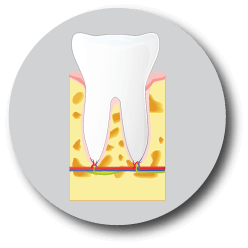
Gums are healthy. The regular cleaning removes tartar, stain and plaque from the enamel above the gum line.
Healthy gums appear pink, they do not bleed and they hug each tooth tightly. Shallow pocket depths are measured when probed. Normal is between 1 millimeter to 3 millimeters. No tartar or bone loss is detected on the X-rays and gums do not bleed!
Routine dental cleanings are recommended twice a year to keep your gums and teeth in a healthy condition. Gum disease is fast progressing and just because your gums are healthy doesn’t mean you should take them for granted.
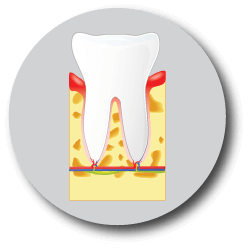
If bleeding and inflammation are present, your gums have the early signs of periodontal disease. A gingivitis cleaning removes tartar, plaque and stain and deep tartar incrusted deep below the gum line. This takes more time than a regular cleaning.
Diseased gums easily bleed when probed because of infection and inflammation. They appear red and puffy and their pocket measurements are deeper. Pockets that measure 3 millimeters to 5 millimeters indicate signs of disease.
X-rays detect deep tartar under the gum line at the neck of the tooth, but the bone crests are still intact. Gums can return to a healthy state with frequent regular cleanings and consistent home care.
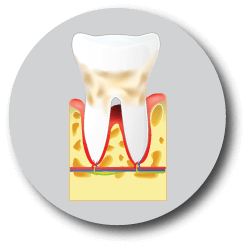
Here your gums are forever in a diseased state, but still manageable. This cleaning removes deep tartar incrusted on exposed roots, as well as infected and inflamed bone and gum tissue. Anesthetics are used for comfort. Sensitivity occurs because exposed root is porous and no longer insulated by the dome of enamel. Diseased bone bleeds easily, pus is visible and root surfaces are exposed because of the receding gum and bone tissue. X-rays show bone loss advancing and deep tartar encrusted on the exposed roots.
Routine visits to the dentist may be recommended more often than twice per year. Dentist approved plaque-removal devices, such as special toothbrushes, toothpicks or water irrigation tools can improve your at home care. Prescribed anti-plaque, anti-tartar toothpastes and rinses can also help and maintain a healthy mouth.

Scaling: The removal of tartar and bacteria from teeth and beneath gums. This is usually done in a standard professional teeth cleaning.
Root planing: Smoothing the root surfaces to discourage further buildup of tartar and bacterial toxins.
Antibiotics: May include topical antibiotics like mouth rinses and gels, or oral antibiotics.
Flap surgery (pocket reduction surgery): Lifting back gum tissue, exposing the roots for more effective scaling and root planing. The underlying bone may be recontoured so that it will be easier to clean the area around the gums.
Soft tissue grafts: This reinforces soft tissue lost to gum recession. A small amount of tissue from the roof of the mouth is relocated to the gum line in order to reduce further gum loss, cover exposed roots and improve appearance.
Bone grafting: This is done when the bone around the tooth root has been destroyed and helps prevent tooth loss by holding the tooth in place. It also promotes bone regrowth.
Guided tissue regeneration: This promotes regrowth of bone through the use of a biocompatible fabric being placed between the bone and tooth. The material prevents unwanted tissue from growing so that the bone can grow back.
Enamel matrix derivative application: This procedure, another form of guided tissue regeneration, involves the application of gel to a diseased tooth root. The gel contains the same proteins that naturally exist in developing tooth enamel. Its application stimulates healthy bone and tissue growth.
Periodontal disease is something you have to monitor your whole life, kind of like your blood pressure. You can reverse gum disease in it’s early stages, but once the gum detaches, bone is lost and/or the root surface is exposed, you can only treat it to decrease further deterioration. Call Dental TLC at (404) 255-2273 today and schedule your next dental cleaning. It’s our priority to give you the appropriate cleaning to maintain healthy gums and teeth!